When people discuss French cuisine, they are often talking about a legacy that spans centuries. Traditional French food is a mosaic of regional identities, rigorous techniques, and a deep-seated respect for the “art de vivre.” Whether it is a rustic French beef stew simmered in a farmhouse or gourmet French food served in a crystal-lit dining room, the soul of the dish remains the same: quality ingredients treated with patience.
In this extensive guide, we will explore the history of French cuisine, identify popular French food, and provide French food ideas for your next kitchen adventure.
What is traditional French food?
To define traditional French food, one must look at the “terroir.” This concept suggests that the soil, climate, and geography of a region of France give its produce a unique soul. Unlike many global cuisines that rely on heavy spices, French cooking uses French flavors derived from fresh herbs, cloves of garlic, and the careful reduction of stocks.
French Cuisine History: From Medieval Feasts to Marie-Antoine Carême
The journey of French cuisine history is a fascinating transformation. In the 14th century, meals were chaotic, with sweet and savory dishes served simultaneously. It wasn’t until the 17th and 18th centuries that French cooking became codified.
The Architect of Cuisine
Marie-Antoine Carême revolutionized the industry by introducing the concept of “haute cuisine.” He moved away from heavy spices and toward the “mother sauces” (velouté, béchamel, etc.) that still define classic French food today. His influence turned the French national food dish into a symbol of status and diplomacy.
Gastronomy French: A World Heritage
In the modern era, gastronomy French style was recognized by UNESCO. This isn’t just about the French recipe itself, but the way French culture food emphasizes the harmony between humans and the products of nature.
What are 10 Famous French Foods?
If you are discovering the flavors of France for the first time, these are the top French foods you must experience. Each represents a different facet of the country’s culinary map.
- Boeuf Bourguignon: The ultimate French beef stew, slow-cooked with red wine, pearl onions, and mushrooms.
- Cassoulet: A hearty white bean stew from the South, featuring confit de canard and pork.
- Coq au Vin: Chicken braised in wine—a staple of French dinner tables.
- Quiche Lorraine: A buttery crust filled with eggs, cream, and smoked bacon.
- Soupe à l’Oignon: A rich onion broth topped with a thick layer of toasted bread and cheese on top.
- Ratatouille: A Provencal vegetable medley that highlights the staple food of France: fresh garden produce.
- Escargots: Grape snails with garlic butter and parsley—the quintessential well known French food.
- Bouillabaisse: A complex fish soup from Marseille, celebrating quality seafood.
- Blanquette de Veau: A creamy veal ragout that defines classic French food.
- Tarte Tatin: The famous upside-down caramelized apple tart.
The Ultimate French Pastry: The Macaron
No discussion of popular French food is complete without the Macaron. These delicate almond-meringue cookies are a masterclass in texture—crunchy on the outside and soft in the middle.
Experience the Art of the Macaron
If you find yourself in the capital looking for Paris France meals, you must stop at Galeries Lafayette Paris Haussmann. Here, the up of macarons available is staggering, featuring world-class creators like Pierre Hermé or Ladurée.
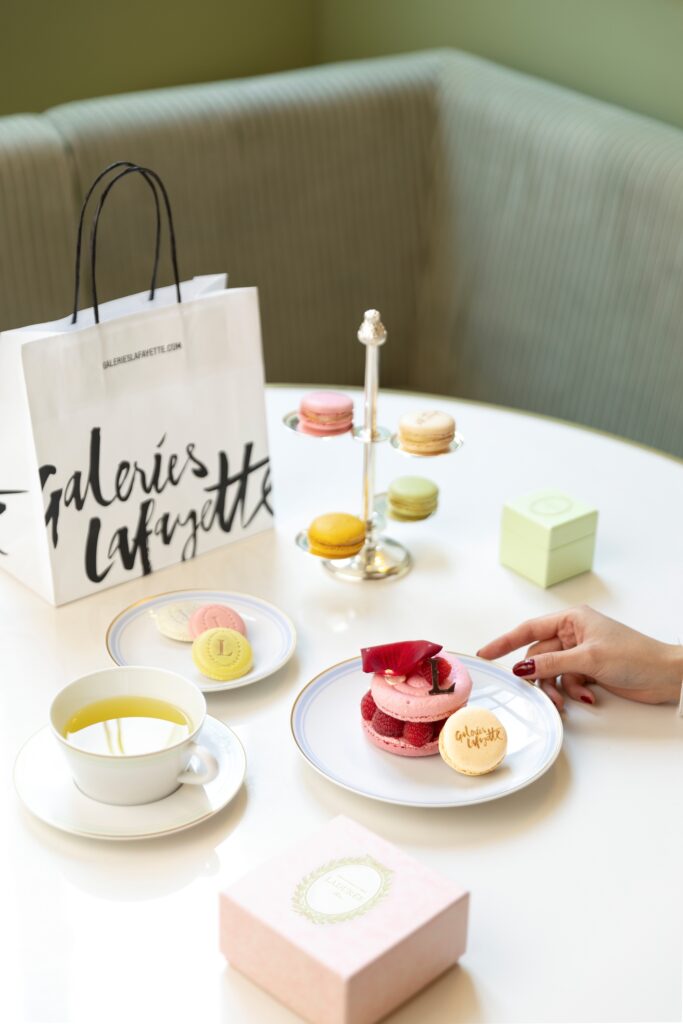
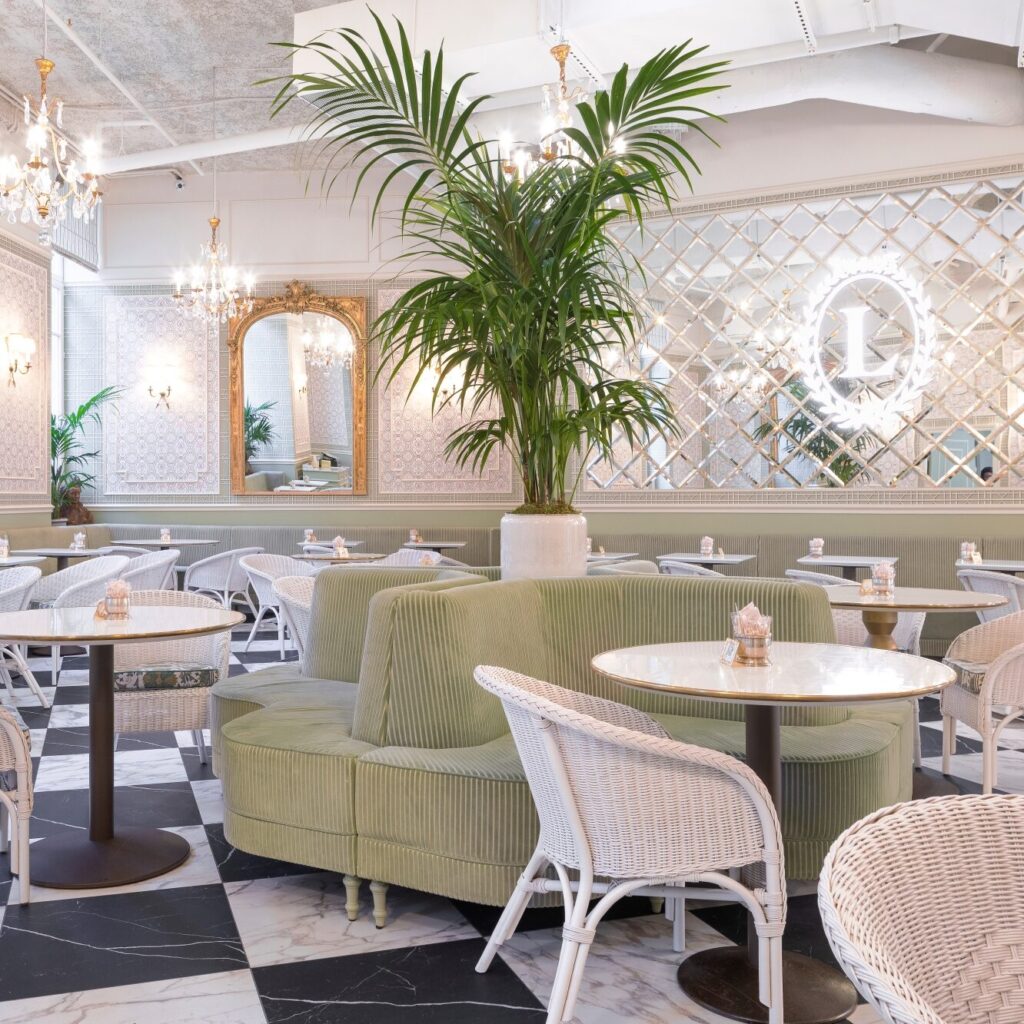
Don’t just eat them, make them! Galeries Lafayette Paris Haussmann offers dedicated macaron workshops. In a friendly atmosphere, you can learn the delicate technique of “macaronage” and the secrets to a perfect ganache. It is a fantastic French food idea for groups or solo travelers.
Mastering the Basics: French Cooking Classes
For many, the goal is to move beyond reading a French recipe and to truly master the classics of French gastronomy. This requires understanding the “Mise en Place” and the chemistry of sauces.
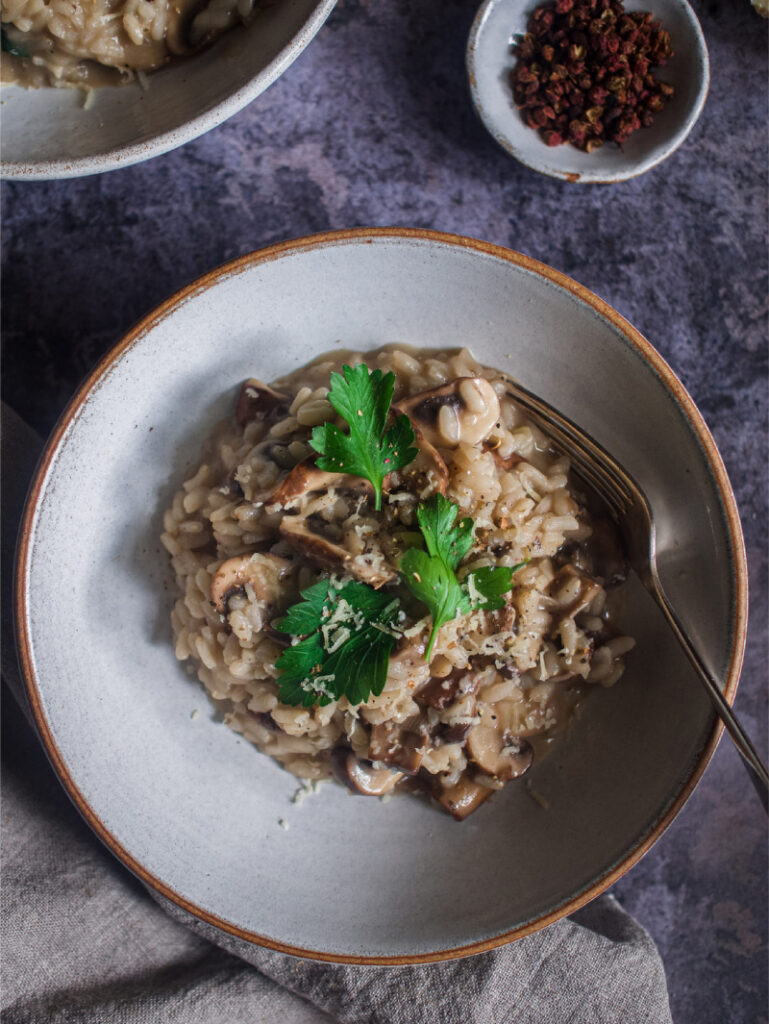
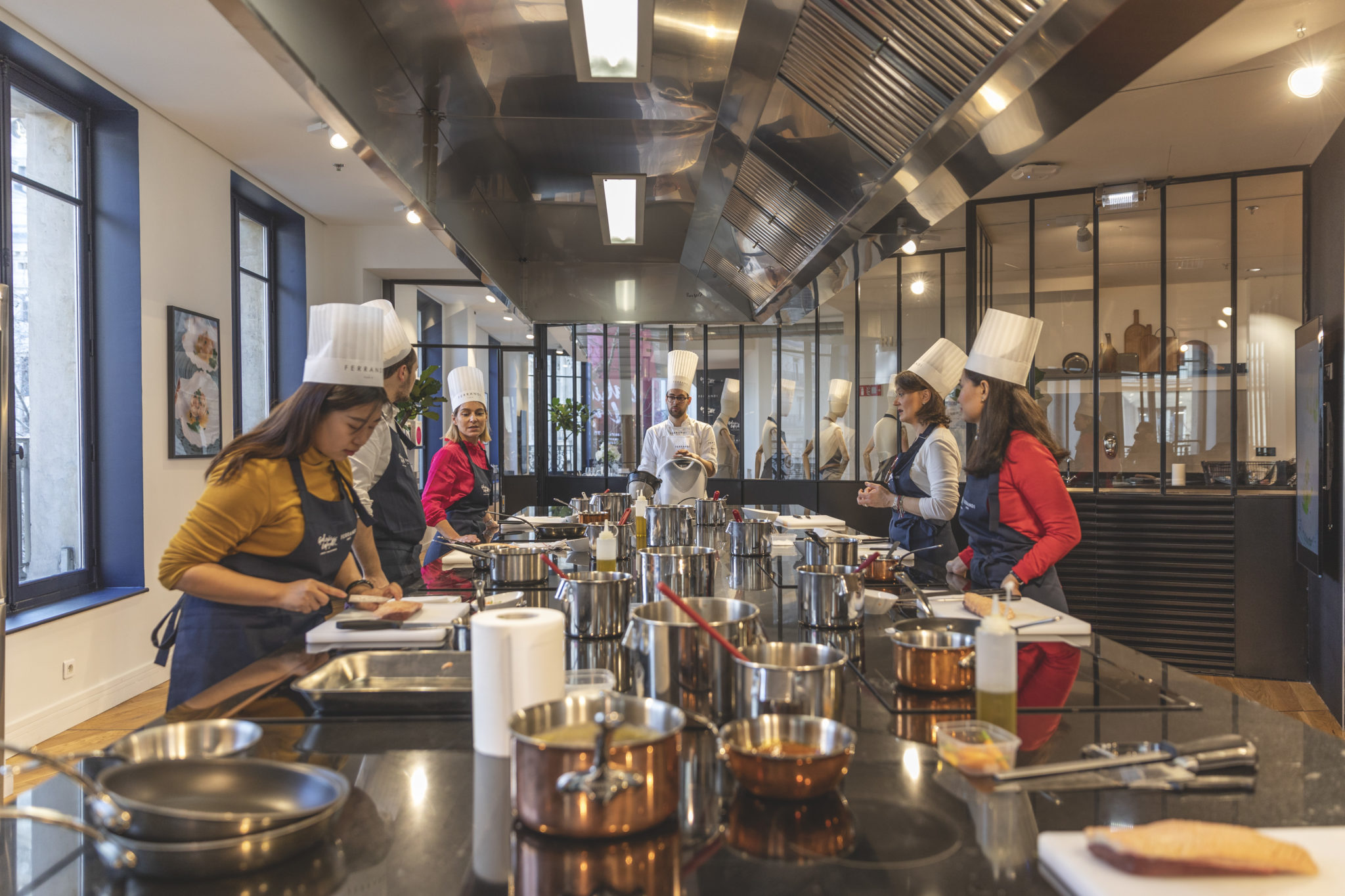
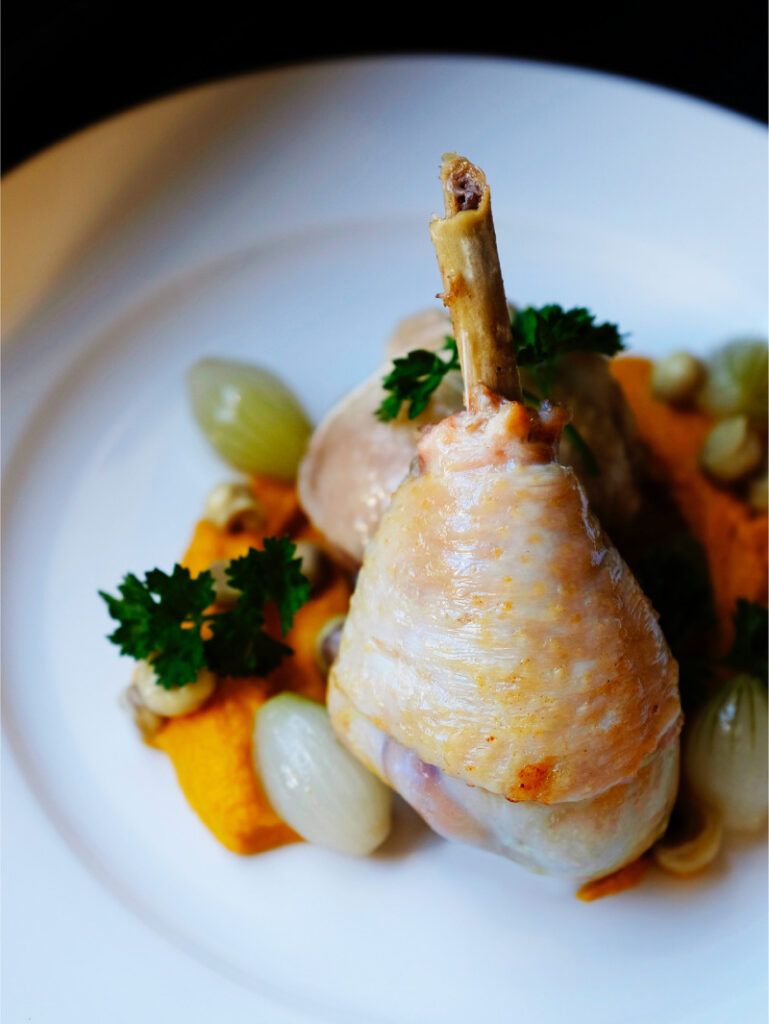
Ferrandi x Galeries Lafayette
To truly elevate your skills, you can join the cooking and pastry classes organized by the prestigious Ferrandi Paris school at Galeries Lafayette Paris Haussmann. These workshops allow you to:
- Master the classics of French cuisine, from savory sauces to delicate puff pastry.
- Work with professional chefs who share the heritage of French gastronomy.
- Understand the types of French food through hands-on practice.
French Dining: From Bistro to Gourmet
The experience of French dining changes depending on the setting.
French Bistro Food
The bistro is the heart of French culture food. It’s where you’ll find French food for lunch like a Croque Madame or a simple steak frites with pepper sauce. The atmosphere is lively, and the French menu is usually written on a chalkboard.
Gourmet French Food
In contrast, gourmet French food is a formal affair. It involves multiple French meal courses, a deep knowledge of the production of French wine, and impeccable service. Here, you might find delicate seafood dishes or basil salmon prepared with surgical precision.
Where to Source the Best: Galeries Lafayette Le Gourmet
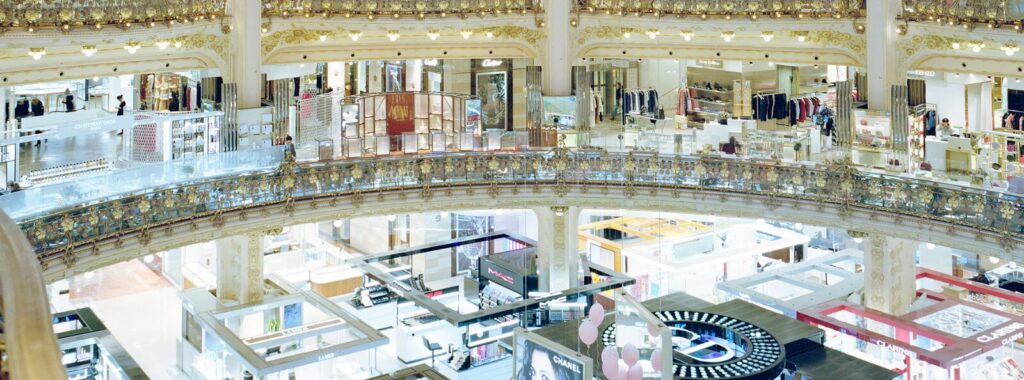
For those who want to experience the best staple food of France without traveling to every corner of the country, Galeries Lafayette Le Gourmet in Paris is a sanctuary of flavor. This is not just a shop; it is a curated collection of the finest French flavors.
- Maison Le Bourdonnec: For the ultimate meat lover, this is the place to find exceptional cuts of beef, perfect for a French beef stew or a premium steak.
- La Cave: A matter of French wine is never taken lightly here. With over 2,500 labels, you can find the perfect pairing for any French meal, guided by expert sommeliers who understand that wine is a vital part of French culture.
While the Gourmet store is a paradise for sourcing ingredients, the culinary journey continues across the street at the Coupole store. For those looking to dive deeper into the production of French wine, there is no more beautiful setting than the iconic Neo-Byzantine dome to enjoy a guided tasting. The Wine Gate : Located on the 1st floor of the Coupole store, The Wine Gate offers a unique experience that stands out among Parisian wine tours. This innovative wine bar allows you to taste over 100 wines and champagnes by the glass, sourced from the greatest French regions and international estates. Under the expert guidance of a sommelier, you can pair these exceptional vintages with a selection of matured cheeses, all while overlooking the luxury and history of the store.
- Regional Specialities: The Fine Grocery section boasts over 20,000 references, while the “Place du Marché” gathers artisans of excellence. Here, you can source world-class charcuterie from Maison Vérot or Maison Dubernet, alongside dedicated spaces for the fishmonger, the creamery, and a specialized foie gras counter.
Regional Variations: What to eat in France?
France is divided into culinary regions, each with its own national food dish equivalent.
The North and East
In the French Alps, the focus is on heartiness. Raclette cheese and fondue are social staples. In Alsace, the French cuisine history is influenced by neighboring Germany, resulting in dishes like Choucroute (sauerkraut with sausages).
The South and West
The Atlantic coast provides France mussels and pot of mussels cooked with white wine. Meanwhile, the South relies on olive oil, cloves of garlic, and green beans, as seen in a fresh Salade Niçoise.
Traditional French Christmas Foods
The “Réveillon” feast is where French dining reaches its peak. Traditional French Christmas foods often include:
- Foie Gras: Served as a luxury hors d’oeuvre.
- Seafood Platters: Featuring quality seafood like oysters and lobster.
- Bûche de Noël: A chocolate yule log cake that is the center of every French Christmas food table.
Frequently Asked Questions
What is the national dish of France?
While there is no legal “national dish,” Pot-au-Feu (a boiled beef and vegetable stew) is traditionally considered the most iconic. However, Boeuf Bourguignon and Crêpes are more commonly recognized by international visitors.
What is a traditional French meal?
A traditional French meal consists of at least three courses: an entrée (starter), a plat principal (main course), and a dessert or fromage (cheese). It is always accompanied by bread and often wine.
What are some easy French food ideas?
Hachis Parmentier (French shepherd’s pie), Quiche, and Ratatouille are excellent easy French food options that don’t require professional training.
Beyond the flavors, discover the culture! Explore our guide to French customs and traditions to know before your trip to travel like a local.